

What Is a Shrinker? 7 Best Uses, Definition & Examples (2026)
Have you ever encountered the word “shrinker” in a technical catalog, medical brochure, or daily conversation? Whether you heard it in a metalworking shop or read it in a language guide, you might wonder what is a shrinker and how it functions across different contexts.
At its core, a shrinker is a agent, tool, or device that reduces, contracts, or compresses something in size, area, or volume. Depending on the industry, it can refer to a specialized metalworking machine, a medical compression garment, or a descriptive noun in English.
Understanding what is a shrinker helps you grasp technical vocabulary and recognize how specialized tools shape modern manufacturing and healthcare. In this guide, we cover the shrinker meaning, definition, industrial uses, sentence examples, and synonyms.
Table of Contents
What Is a Shrinker?
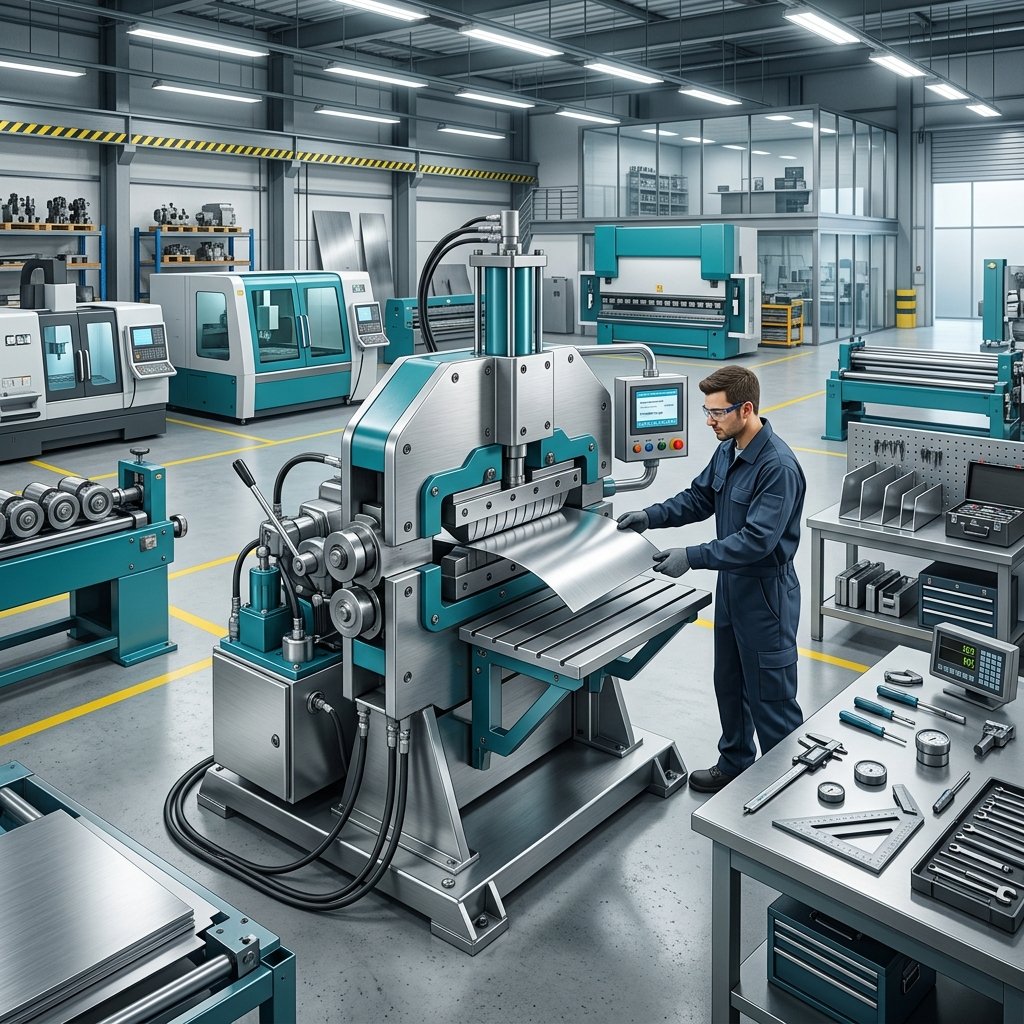
A shrinker is a noun referring to any person, tool, device, or machine that contracts, reduces, or compresses the size, volume, or physical dimensions of a material. In metalworking, a metal shrinker shapes sheet metal by compressing its edges. In medical care, a compression garment or prosthetic shrinker shapes residual limbs post-surgery.
Shrinker Meaning and Definition
The formal shrinker definition in English lexicography is “one who or that which shrinks.” Grammatically, it is an agent noun formed by attaching the suffix “-er” to the verb “shrink.”
When examining what is a shrinker in formal dictionaries, the term covers both animate agents (a person who shrinks from duty or danger) and inanimate instruments (tools designed to cause physical contraction). According to the Merriam-Webster dictionary definition of shrinker, it describes an entity that causes or undergoes shrinkage.
Because the definition of shrinker spans multiple fields, specifying the context—whether mechanical, medical, or colloquial—is essential when using the term.
What Does Shrinker Mean in Simple Terms?
If you want to explain what is a shrinker in simple terms, think of it as anything that makes something smaller or tighter.
For example, if a machine forces a metal plate to curve inward by squeezing its metal grains together, that machine is a shrinker. Similarly, if a elastic garment compresses swelling after surgery, healthcare professionals call it a compression shrinker.
This simple meaning of shrinker clarifies why the word is widely adopted across technical trades and clinical environments.
Different Meanings of Shrinker
Because the word applies to various domains, exploring the different meanings of shrinker reveals its versatility in modern English.
Shrinker as a Person or Thing That Shrinks Something
In general language, a shrinker can describe a person who draws back from confrontation or responsibility (a “shrinker from duty”). Alternatively, it describes any substance or chemical agent that reduces material volume, such as fabric-shrinking treatments in textiles.
Shrinker in Machinery and Industrial Contexts
In manufacturing, understanding what is a shrinker equipment tool is crucial for metal fabricators. A metal shrinker-stretcher is a benchtop or foot-operated tool equipped with textured jaws that grip and compress sheet metal edges to form smooth curves, panels, and automotive bodywork.
Similar to specialized equipment featured in textile recycling machinery guides, industrial shrinkers rely on mechanical force or heat application to achieve exact material dimensions.
Shrinker as Slang or Informal Language
In informal English and slang, “shrinker” is occasionally used as a playful shorthand for a psychiatrist or psychologist (derived from the slang term “shrink”). It can also refer colloquially to cold weather or water that causes immediate physical contraction.
Where Does the Word Shrinker Come From?
The origin of the word shrinker traces back to Old English scrincan, meaning “to draw back, wither, or contract.” Over centuries, Germanic root verbs evolved into Middle English schrinken.
During the Industrial Revolution in the 18th and 19th centuries, craftsmen began attaching the agent suffix “-er” to mechanical innovations. Thus, tools designed to compress metal or pre-shrink cotton fabrics were named shrinkers.
Today, the word retains its historical etymology while adapting to modern medical compression technology and advanced metal fabrication.
How Is Shrinker Used in a Sentence?
Understanding how shrinker is used in a sentence helps you apply the noun accurately across technical and everyday contexts.
Here are practical sentence examples demonstrating proper usage:
- Industrial Use: “The auto body technician used a mechanical metal shrinker to form the custom fender curve.”
- Medical Use: “The doctor prescribed a prosthetic shrinker sock to manage post-surgical swelling.”
- General Agent: “He was no shrinker when faced with difficult challenges.”
- Textile Use: “The textile mill installed a steam shrinker to pre-treat denim fabrics before stitching.”
These examples illustrate how the noun fits naturally into specialized trade terminology and standard prose.
Shrinker vs Shrink: What Is the Difference?
To clarify what is a shrinker compared to the verb shrink, it is helpful to look at their grammatical parts of speech:
- Shrink (Verb / Noun): The action of becoming smaller or contracting (e.g., “Hot water makes cotton shrink”). As a noun, it can also mean shrinkage or slang for a therapist.
- Shrinker (Noun): The specific agent, instrument, or machine that causes the shrinking action (e.g., “The fabricator operated the sheet metal shrinker”).
In short, “shrink” is the process or action, while “shrinker” is the tool or person performing or causing that action.
Synonyms and Related Words for Shrinker
When searching for a shrinker synonym or related vocabulary, select words based on your specific context:
- Compressor: A device that squeezes or reduces volume
- Constrictor: Something that tightens or narrows
- Reducer: A tool or fitting that decreases size or diameter
- Contractor: An agent or mechanism that contracts materials
- Compression Garment: Medical synonym for post-amputation shrinker socks
Utilizing these synonyms enriches your writing and prevents repetitive terminology in technical documentation.
Is Shrinker a Common English Word?
When evaluating what is a shrinker in everyday speech, it is classified as a specialized noun. While not as frequent in casual conversation as “shrink” or “reduction,” it is extremely common in specific trade domains.
Metal fabricators, automotive restorers, orthopedic specialists, and textile engineers use the term daily. In general English literature, it appears primarily when describing individuals who shrink away from duty or danger.
Thus, while domain-specific, it remains a fully recognized, standard English word.
Frequently Asked Questions
What is a shrinker?
When people ask what is a shrinker, the answer depends on the field. Generally, it is a noun describing any person, tool, machine, or medical garment that contracts or reduces the size of an object or material.
What does shrinker mean?
Shrinker means “one that shrinks.” It refers to an agent or instrument that compresses sheet metal, reduces tissue swelling, or pre-treats fabrics.
Is shrinker a noun?
Yes, shrinker is a countable noun in English grammar, formed by adding the suffix “-er” to the root verb “shrink.”
What is another word for shrinker?
Depending on the context, synonyms for shrinker include compressor, reducer, constrictor, contractor, or compression garment.
How do you use shrinker in a sentence?
You use shrinker as a subject or object noun. For example: “The metal fabricator smoothed the panel curve using a manual shrinker tool.”
Conclusion
Now that you understand what is a shrinker across various industries, you can appreciate its role in modern manufacturing, medicine, and language. Whether shaping custom automotive sheet metal or aiding medical recovery, this specialized tool serves an essential purpose.
By learning the shrinker meaning, definition, sentence usage, and key synonyms, you can expand your vocabulary and communicate effectively within technical and professional fields.
