

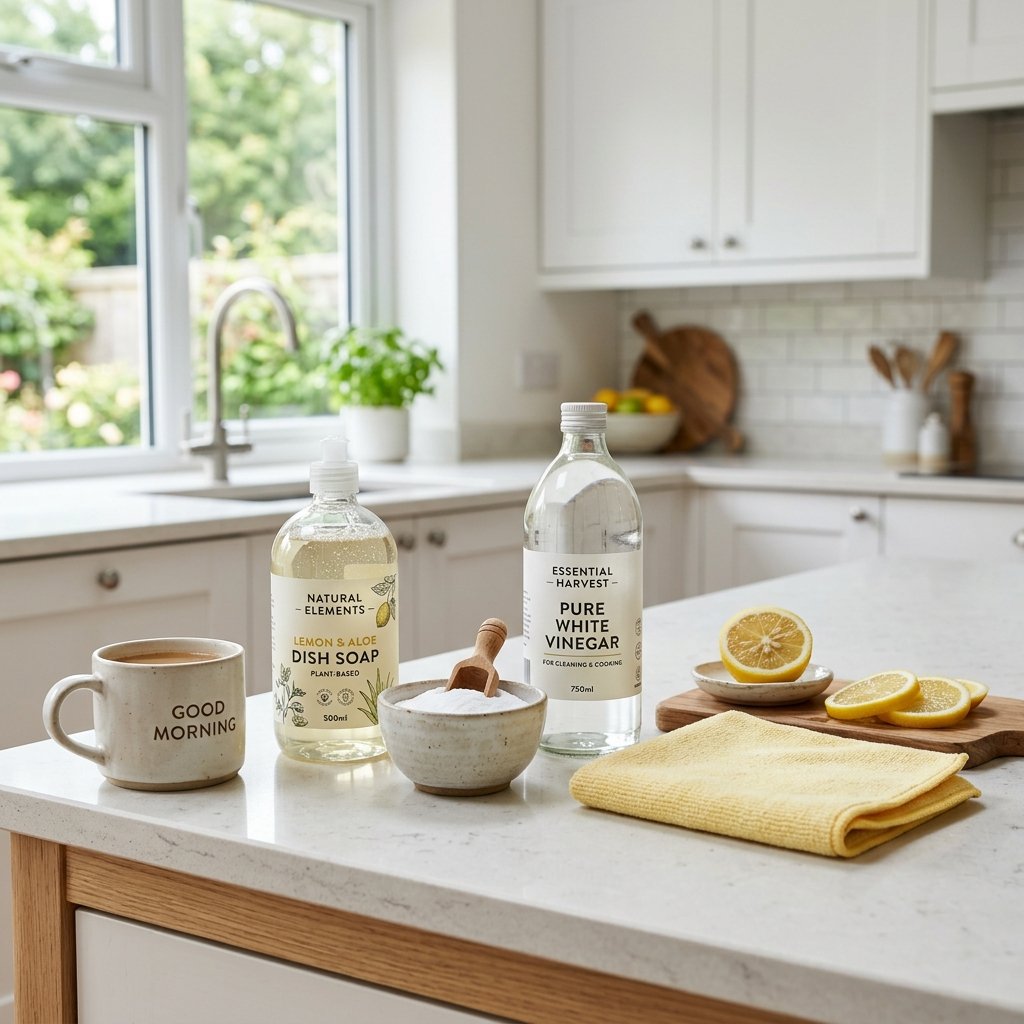
A fresh cup of coffee is the ultimate morning essential, but an accidental spill can turn your morning routine into a cleaning emergency. Knowing how to remove coffee stains quickly and effectively is a crucial skill for every home.
Whether you spilled coffee on a crisp white shirt, a plush living room rug, your car seat, or noticed stubborn brown rings inside your favorite ceramic mug, coffee contains tannins that bind tightly to fibers and porous materials. Without proper treatment, fresh spills quickly turn into set-in discoloration.
In this ultimate cleaning guide, we provide step-by-step instructions on how to remove coffee stains from clothes, carpets, mugs, furniture, wood, and even teeth. Using everyday household items like dish soap, white vinegar, and baking soda, you can banish coffee marks for good.
Table of Contents
How to Remove Coffee Stains (Quick DIY Overview)
When an accidental spill happens, speed is your greatest advantage. Understanding how to remove coffee stains immediately prevents the dark tannins in coffee from permanently bonding to fabric or porous surfaces.
Before reaching for heavy chemicals, simple home ingredients can dissolve organic coffee compounds easily. The most effective DIY stain fighters include liquid dish soap, distilled white vinegar, and baking soda.
For fresh spills, always blot the excess liquid with a clean cloth rather than rubbing. Rubbing pushes the coffee deeper into carpet padding or garment fibers. According to cleaning experts at the Good Housekeeping Institute, flush the back of the fabric with cold water first to push the stain out.
How to Remove Coffee Stains with Dish Soap (Step-by-Step)
Learning how to remove coffee stains using liquid dish soap is the foundational method for almost every household spill. Dish soap contains powerful surfactants designed to break down oil, dairy, and organic pigments.
Follow this proven step-by-step process for dish soap stain removal:
- Blot the Excess Liquid: Gently press a clean paper towel against the spill to absorb excess liquid without spreading the stain.
- Flush with Cold Water: Run cold water directly through the reverse side of the stained fabric for 1 to 2 minutes.
- Apply Liquid Dish Soap: Apply a few drops of clear liquid dish soap directly onto the stain. Gently massage the soap into the fibers using your fingers or a soft-bristled brush.
- Combine with White Vinegar: For set-in marks, mix 1 tablespoon of dish soap with 1 tablespoon of distilled white vinegar and 2 cups of warm water. Apply this solution and let sit for 15 minutes.
- Rinse and Wash: Rinse thoroughly with cold water and launder as usual.
Combining dish soap for coffee stains with white vinegar or baking soda creates a gentle yet highly effective DIY cleaning solution suitable for most washable fabrics.
How to Remove Coffee Stains from Clothes and White Shirts
Few accidents are more frustrating than a coffee spill on a crisp white shirt or favorite pair of pants. Knowing how to remove coffee stains from clothing preserves garment longevity and prevents permanent discoloration.
When treating coffee stains on clothes, wash out coffee stains immediately with cold running water from the underside of the fabric. Never use hot water initially, as heat sets tannin stains into cotton and synthetic fibers permanently.
For a stubborn coffee stain out of white shirt garments, soak the shirt in a mixture of 1 quart warm water, 1/2 teaspoon liquid dish soap, and 1 tablespoon white vinegar for 30 minutes. Rinse well and inspect before placing in the dryer.
If you are tackling old coffee stains on clothes that have dried, create a paste using equal parts baking soda and water. Rub the paste gently into the mark, allow it to dry for 20 minutes, and launder the garment with heavy-duty detergent.
For additional practical home maintenance guides and household troubleshooting tips, explore our step-by-step tutorial on simple household fixes and DIY solutions.
How to Remove Coffee Stains from Carpet and Rugs
Carpet fibers quickly absorb dark liquids, making it essential to master how to remove coffee stains from carpets and area rugs.
Follow these steps to clean coffee stains from carpet effectively:
- Blot Immediately: Use dry white towels to absorb as much coffee as possible. Press down firmly from the outer edges toward the center to avoid spreading.
- Apply Dish Soap Solution: Mix 1/4 teaspoon of clear dish soap with 1 cup of warm water. Dip a clean cloth in the solution and sponge the carpet stain gently.
- Apply Vinegar Solution: If the stain persists, mix 1/3 cup of white vinegar with 2/3 cup of water. Dab the area repeatedly until the color lifts.
- Baking Soda Treatment for Old Stains: Sprinkle baking soda over damp carpet coffee stains to absorb lingering odors and lift embedded pigments. Let dry completely, then vacuum thoroughly.
This approach works for both synthetic carpets and delicate wool rug fibers without causing color fading or damage.
How to Remove Coffee Stains from Mugs, Cups and Stainless Steel
Over time, daily coffee drinking leaves dark brown rings inside ceramic mugs, travel tumblers, and glass coffee pot lids. Knowing how to remove coffee stains from mugs keeps your drinkware looking brand new.
Baking Soda Scrub for Mugs
Sprinkle 1 tablespoon of baking soda into the wet mug. Use a damp sponge or soft cloth to scrub the baking soda in small circular motions. The mild abrasiveness lifts stubborn tannin buildup without scratching ceramic enamel.
Stainless Steel Coffee Tumblers
Stainless steel coffee mugs often develop dark interior discoloration. Pour 1/2 cup of hydrogen peroxide and 2 tablespoons of baking soda into the tumbler, fill with warm water, and soak for 30 minutes before scrubbing with a bottle brush.
Coffee Pot Lids and Glass Carafes
To clean white lids of coffee pots, soak them in hot water mixed with 2 tablespoons of OxiClean or dish soap for 20 minutes to restore bright original color.
How to Remove Coffee Stains from Teeth
Coffee is a notorious culprit for tooth discoloration. Understanding how to remove coffee stains from teeth helps maintain a bright, healthy smile.
Coffee contains chromogens and tannins that stick to tooth enamel. Over time, daily consumption of black coffee or white coffee can cause yellow or brown coffee stains on teeth.
Effective Methods to Remove & Prevent Teeth Stains:
- Whitening Toothpaste: Brush twice daily with specialized whitening toothpaste for coffee stains containing mild abrasives like silica and baking soda.
- Drink with a Straw: Using a reusable straw minimizes direct contact between hot coffee and your front teeth.
- Rinse with Water: Swish water in your mouth immediately after finishing your coffee to wash away residual tannins before they adhere to enamel.
- Whitening Strips: Use over-the-counter peroxide whitening strips for deeper stain removal.
- Professional Dental Cleaning: Visit your dentist for routine prophylaxis cleaning every six months to polish away stubborn exterior stains.
Tea also contains tannins; while green tea stains teeth slightly less than dark roast coffee, both beverages benefit from post-drink rinsing.
How to Remove Coffee Stains from Fabric, Couches and Car Seats
Spilling coffee on upholstery or car upholstery requires specific spot-cleaning techniques. Knowing how to remove coffee stains from couches and fabric seats prevents liquid from soaking into foam padding.
For fabric couches, mix 1 tablespoon of liquid dish soap and 1 tablespoon of white vinegar with 2 cups of cool water. Sponge the solution onto the stain using a clean microfiber cloth, blotting frequently with a dry towel.
For car seats, spray the dish soap and vinegar solution directly onto the spot, scrub gently with a soft nail brush, and wipe dry with a clean cloth. Leave car doors open briefly to allow full air drying.
DIY Coffee Stain Wood Staining vs. Removing Stains from Wood
Interestingly, the relationship between coffee and wood goes both ways: coffee can leave unwanted water rings on tables, but it can also serve as a natural DIY wood stain!
Removing Coffee Stains from Wood Tables
If a wet coffee cup left a white ring or dark mark on a stained wood coffee table, apply a small amount of non-gel toothpaste or a paste of baking soda and mineral oil. Gently rub along the wood grain and wipe clean with a soft cloth.
Using Coffee as a Natural Wood Stain
Brewed coffee makes an eco-friendly, non-toxic wood stain. Concentrated dark coffee or instant coffee granules mixed with hot water produce a beautiful warm brown antique finish on bare unvarnished wood.
Best Commercial Coffee Stain Removers and OxiClean Solutions
For severe, set-in, or old coffee stains, commercial stain removers provide specialized enzymatic and oxygen-bleaching action.
OxiClean Versatile Stain Remover
Oxygen bleach products like OxiClean work wonders on organic coffee stains. Dissolve 1 scoop of OxiClean powder in 1 gallon of warm water and soak stained clothes or white shirts for 1 to 6 hours before laundering.
Enzymatic Laundry Sprays
Pre-treatment sprays containing natural enzymes break down organic tannins quickly. Spray the product directly onto garment stains 10 minutes prior to normal washing.
Frequently Asked Questions
How do you remove coffee stains from clothes?
To remove coffee stains from clothes, flush the back of the stain with cold water immediately. Apply liquid dish soap or a mixture of dish soap and white vinegar, let sit for 15 minutes, rinse, and launder with heavy-duty detergent.
How do you get coffee stains out of carpet?
Blot the excess coffee immediately with paper towels. Mix 1/4 teaspoon of dish soap with 1 cup of warm water and dab the carpet. Follow up with a mixture of white vinegar and water if the stain remains, then vacuum when dry.
Does coffee permanently stain clothes?
No, coffee stains are generally not permanent if treated promptly. However, running a stained garment through a hot clothes dryer before the stain is fully removed can set the stain permanently into fabric fibers.
How do you get coffee stains out of ceramic mugs?
Sprinkle baking soda inside the damp mug and scrub gently with a soft sponge. For heavy discoloration, soak the mug in warm water mixed with 1 tablespoon of baking soda and a drop of dish soap for 20 minutes.
Does baking soda remove coffee stains from teeth?
Yes, baking soda is a mild abrasive that helps gently scrub away superficial surface coffee stains from tooth enamel. Many whitening toothpastes formulate baking soda for daily safe stain removal.
Can you remove old, dried coffee stains from clothes?
Yes. Soak old coffee stains in a solution of warm water, dish soap, and white vinegar or OxiClean for 1 to 2 hours before washing. Gently rubbing a baking soda paste into the stain also helps lift set-in pigments.
How do you remove coffee stains from stainless steel travel mugs?
Mix 2 tablespoons of baking soda with 1/2 cup of hydrogen peroxide in the mug, top with hot water, soak for 30 minutes, and scrub thoroughly with a bottle brush before rinsing.
Does white vinegar remove coffee stains?
Yes, white vinegar is acidic and helps break down organic coffee tannins on fabric, carpet, and hard surfaces without damaging materials.
How do you get coffee stains out of a white shirt?
Flush the white shirt with cold water, apply liquid dish soap and white vinegar directly to the stain, soak in warm water for 30 minutes, and wash with laundry detergent and color-safe bleach.
How do you prevent coffee from staining your teeth?
Drink coffee through a straw, rinse your mouth with water immediately after drinking, brush with whitening toothpaste, and maintain regular professional dental cleanings.
Conclusion
In summary, knowing how to remove coffee stains requires acting quickly and using the right cleaning solution for your specific surface. Everyday household staples like liquid dish soap, white vinegar, and baking soda provide effective, eco-friendly stain removal for clothes, carpets, mugs, and furniture.
By flushing fresh spills with cold water, blotting instead of rubbing, and using gentle abrasives for mugs and teeth, you can keep your home, wardrobe, and smile looking pristine every single day.
